Discover the history of LGTBIQ+ Barcelona through a cultural public transport route to 6 landmarks of memory and freedom. Hola Barcelona t'hi porta!
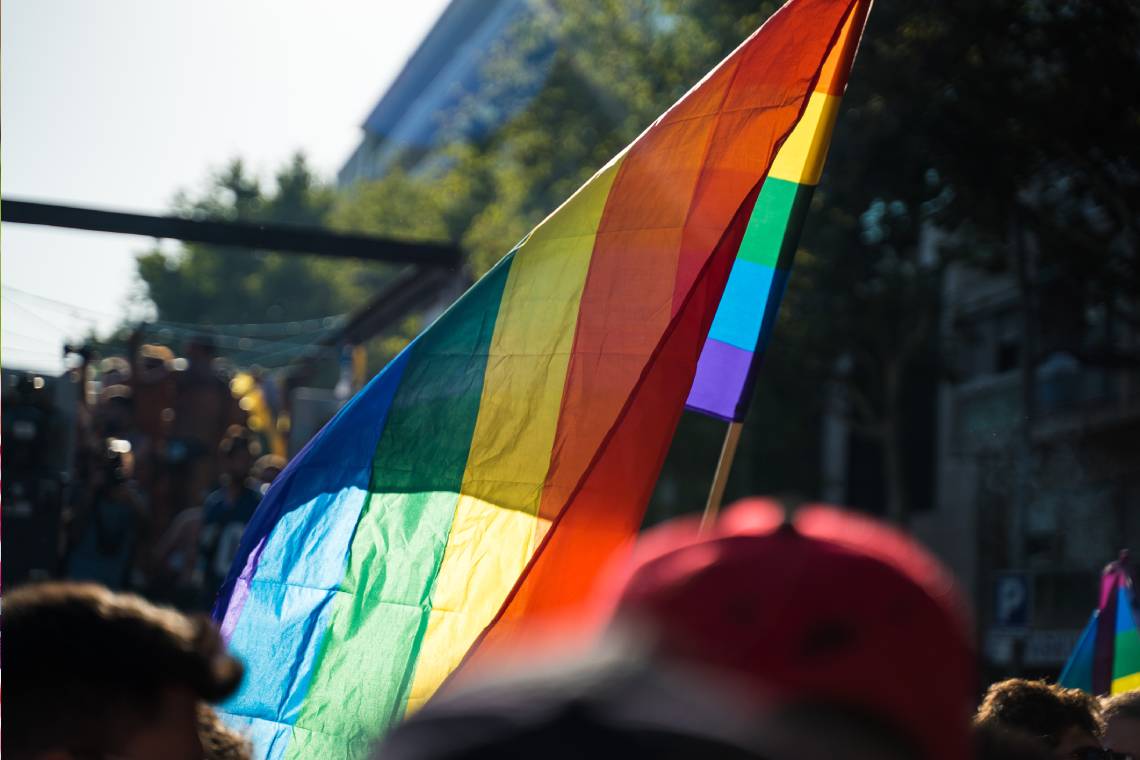
Barcelona is an open, diverse, and welcoming city, where today's freedom has been built thanks to decades of small yet significant stories of overcoming obstacles, culture, visibility, and activism. As Pride celebrations approach in Barcelona, we suggest a very special cultural tour through six authentic icons of diversity and the LGTBIQ+ struggle.
Since this route covers very diverse parts of the city, we recommend using the Hola Barcelona Travel Card. This way, you can learn about the city's queer history comfortably.
The 6 Essential Spaces of Barcelona's Queer Memory:
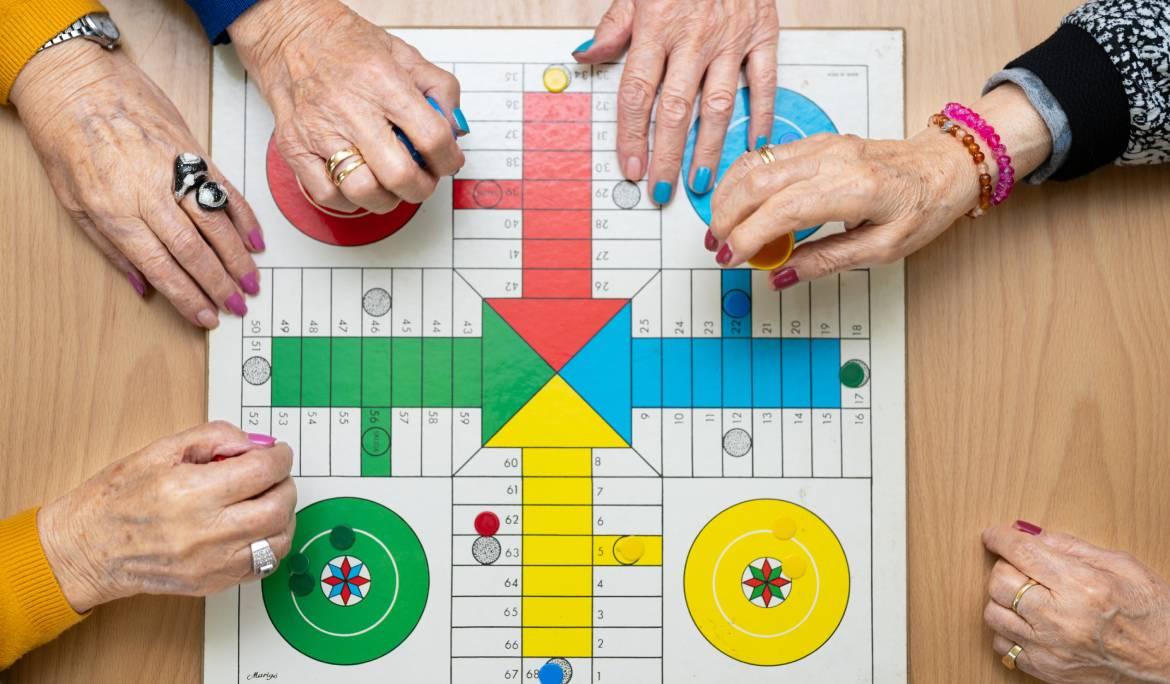
1. Carrer de l'Avenir, 17: The Secret of Parcheesi at Pub Daniel’s
In 1975, Spain's very first exclusively lesbian bar opened in Barcelona, founded by the legendary Sonia Franquet.
To protect themselves from the restrictions of the era, the venue had an ingenious defense method against inspections: if they needed to warn clients of a police raid, red alert lights would turn on and, within seconds, patrons would hide any public displays of affection, pull out board games from under the tables, and pretend to play Parcheesi or cards.
How to get there:
Metro: Diagonal (L3, L5).
Bus: V13, V15, 68.
Barcelona Bus Turístic: Blue Route (Gràcia or Francesc Macià - Diagonal stop).
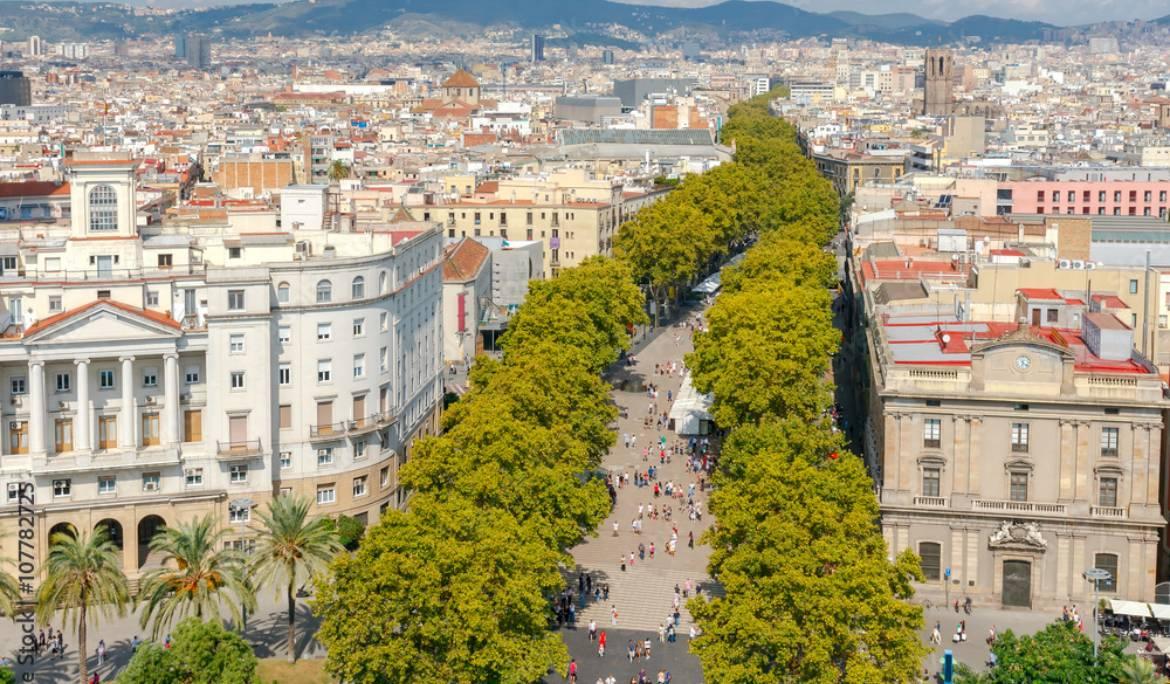
2. La Rambla: Ocaña’s Avenue of Freedom
You cannot understand the historical memory of LGTBIQ+ Barcelona during the Transition period without José Pérez Ocaña, a painter, street artist, and activist who made the Ramblas his main stage.
Ocaña would stroll around in dresses and hats, singing traditional coplas and demanding a society free of closets. In June 1977, the Ramblas hosted Spain's first major gay liberation demonstration, a historic march where Ocaña stood on the front lines.
How to get there:
Metro: Liceu or Drassanes (L3).
Bus: V13, 59.
Barcelona Bus Turístic: Red Route (Barri Gòtic stop).
If you are celebrating Pride in Barcelona, we recommend checking for any potential transport service changes to enjoy your Hola Barcelona Travel Card freely.
3. Carrer de Cervantes, 4: Cómplices Bookstore, the Beacon of Culture
In 1994, right in the heart of the Gòtic neighborhood, activists Connie Dagas and Helle Bruun opened Cómplices, the first bookstore specialized in LGTBIQ+ themes in Barcelona and Spain.
Beyond being a bookshop, it immediately transformed into an impromptu cultural center—a meeting point to find answers and share concerns during a pre-internet era when information about diversity was nearly inaccessible.
How to get there:
Metro: Jaume I (L4) or Drassanes (L3).
Bus: V15, V17, 47, 59.
Barcelona Bus Turístic: Red Route (Barri Gòtic stop).
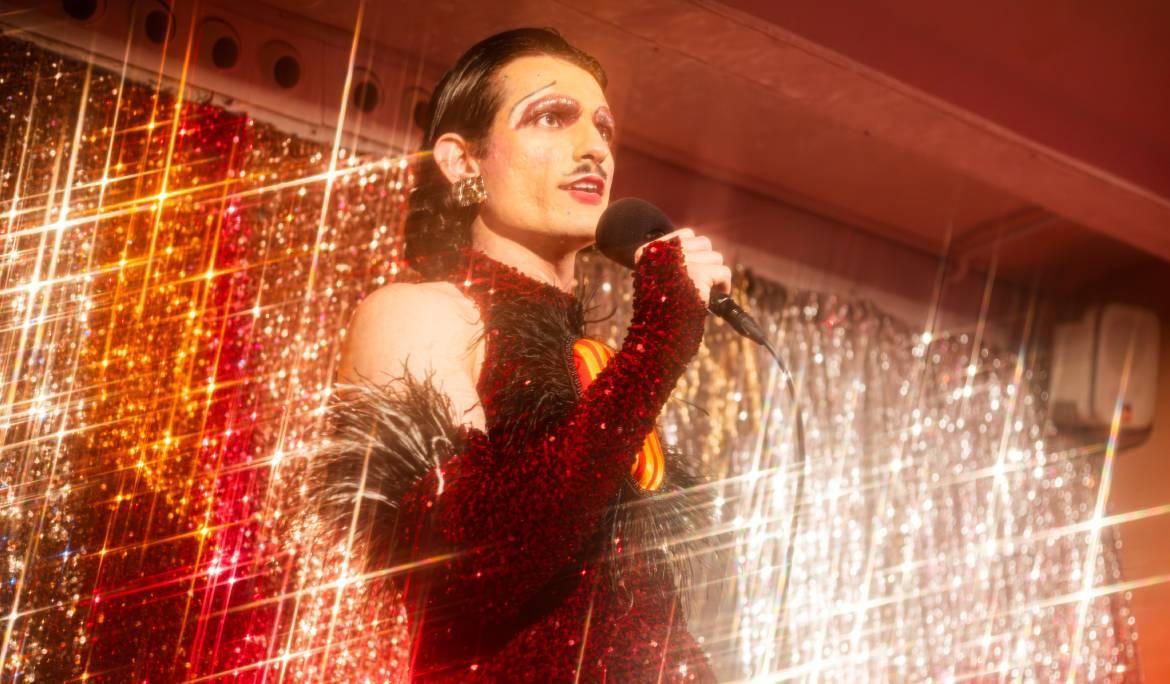
4. Avinguda del Paral·lel: Show Business as a Sanctuary at El Molino
For decades, Avinguda del Paral·lel was the heart of Barcelona's bohemian scene. Under the lights of its theaters and cabarets, trans and drag artists like Madame Arthur, Paco España, or Violeta la Burra found the stage to be a space of expressive freedom during difficult times.
Through song, copla, impersonation, and musical comedy, these artists brought dignity to gender diversity, turning El Molino into a benchmark for artistic avant-garde and tolerance.
How to get there:
Metro: Paral·lel (L2, L3).
Bus: D20, H14, V11, 21.
Barcelona Bus Turístic: Red Route (Miramar - Estació de Montjuïc or Colom stop).
5. Plaça de Salvador Seguí: Solidarity Against Stigma
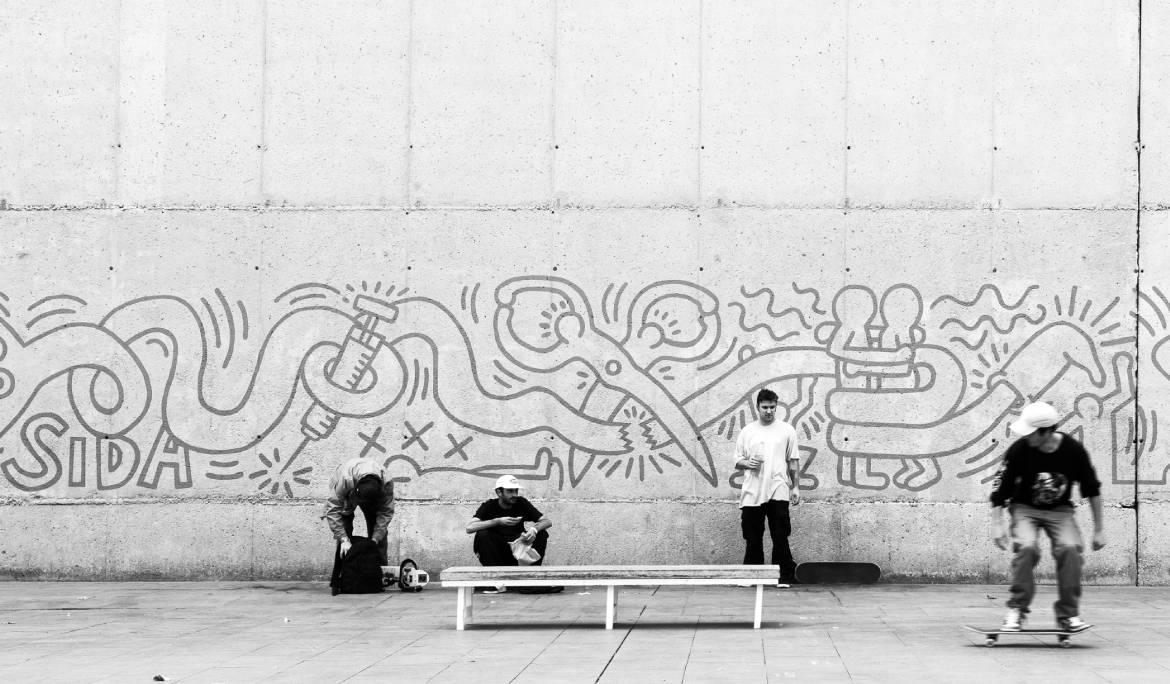
In the heart of the Raval, this square features a replica of the iconic mural painted by artist Keith Haring in 1989 with the slogan: "Together we can stop AIDS". At a time when the HIV crisis was taking a heavy toll, mutual support organizations born in the neighborhood fought tirelessly against stigmatization. This square stands as a permanent reminder of the resilience, community support, and unity of the LGTBIQ+ community of that era.
How to get there:
Metro: Liceu (L3) or Paral·lel (L2, L3).
Bus: V11, D20, 59, 120.
Barcelona Bus Turístic: Red Route (Colom - Museu Marítim stop).
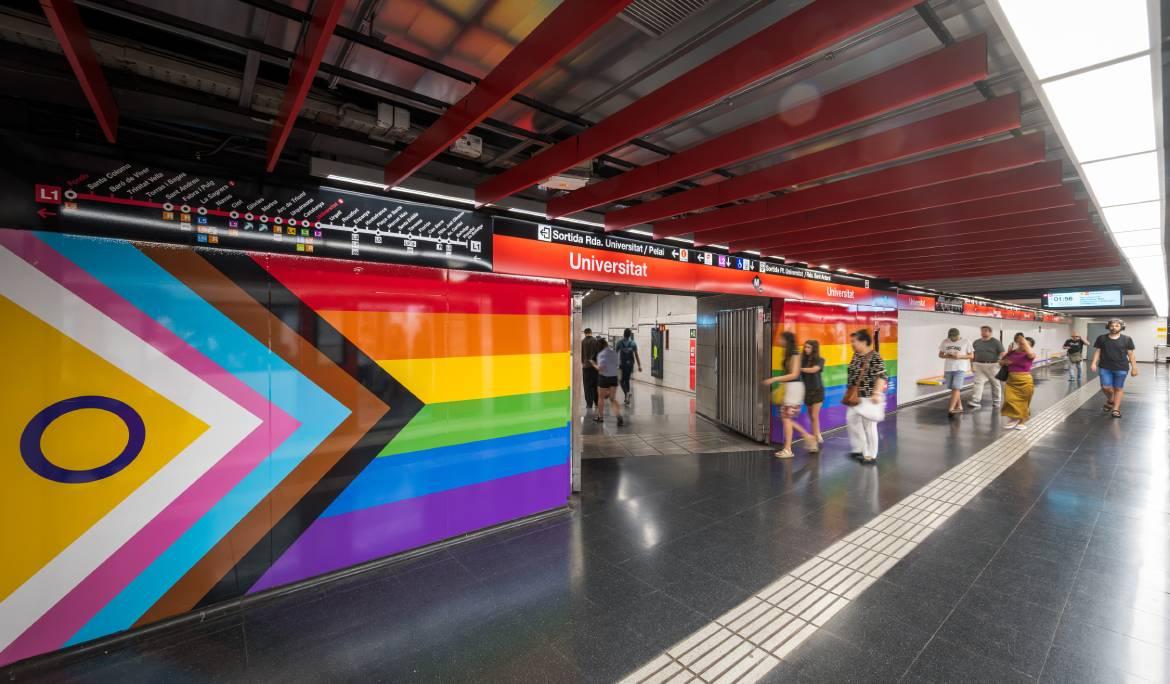
Murals are always necessary and show that the fight continues. Don't miss the mural we have set up at the Universitat station on L1.
6. Carrer del Cid: La Criolla and the Roaring Twenties in Barcelona
If we travel back in time to the 1920s and 30s, the Raval was famous across Europe for its vibrant nightlife. On this small street sat La Criolla, the most famous and transgressive cabaret of its era. It was frequented by international writers, artists, and early pioneers of gender identity freedom, until it was closed down at the start of the Spanish Civil War.
How to get there:
Metro: Drassanes (L3).
Bus: D20, H14, V11, 59.
Barcelona Bus Turístic: Red Route (Colom - Museu Marítim stop).
Discover the Historical DNA of the City
Immerse yourself in the past and present of our neighborhoods, let yourself be surprised by the stories hidden in their streets, and remember that the Hola Barcelona Travel Card is the easiest way to travel along every step of this LGTBIQ+ route in Barcelona. Hola Barcelona t'hi porta!