Every time we hop on or off the metro, we see names that feel familiar, but hide industrial pasts, vanished streams, and unique characters from Catalan history. Today we explain who chooses them and explore 10 of the most curious ones. Hola Barcelona takes you there!
Who decides what the stations are called?
Who decides what the stations are called?
The ATM (Metropolitan Transport Authority) is responsible for christening the stops. Usually, they simply look for the name of the nearest street. However, the real magic lies in the names that serve as the final traces of ancient farmhouses (masos) or streams (rieras) that have long since vanished from the surface—living on only in the memory of the metro map.
With your Hola Barcelona Travel Card , you hold the key to unlocking these mysteries as you traverse the city from end to end. Here is the backstory of 10 of the most iconic stops:
Espanya (L1/L3)
Inaugurated for the 1929 International Exposition, this was designed as the grand gateway to the Montjuïc fairgrounds. It takes its name from the imposing square that anchors the area.
What you’ll find: The Magic Fountain and the MNAC museum.
Pubilla Cases (L5):
Named after Josefa Casas, the "pubilla" (heiress) of a powerful 18th-century family who owned a farmhouse that still stands today.
What you’ll find: The authentic atmosphere of L'Hospitalet de Llobregat.
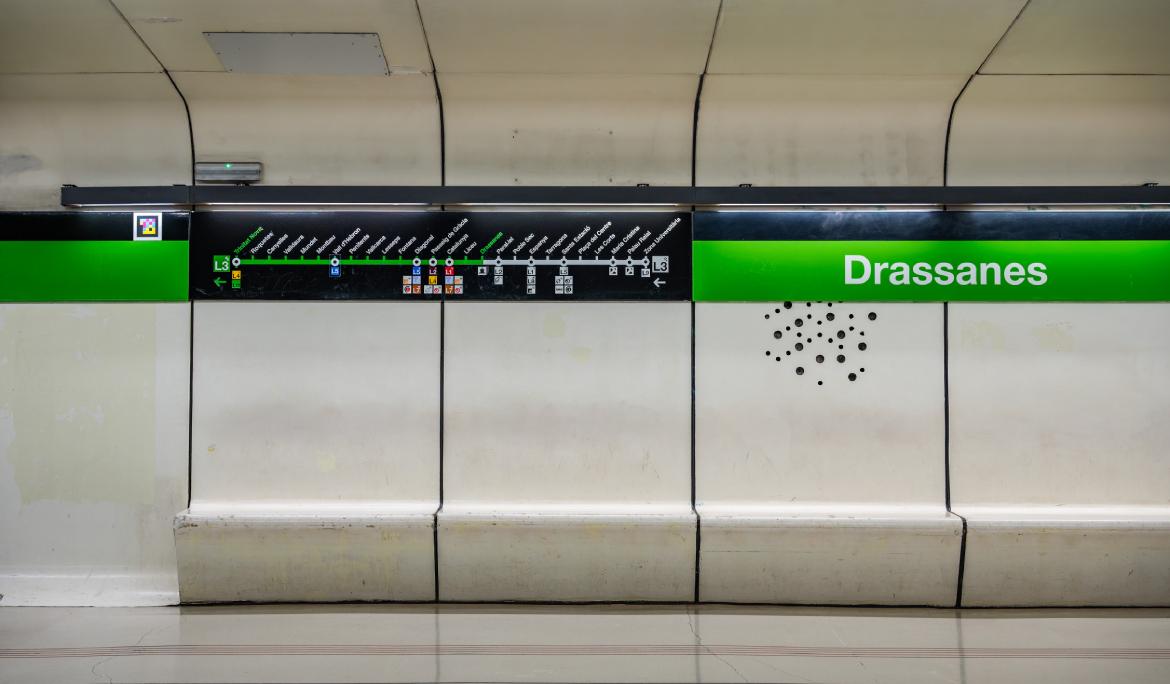
Drassanes (L3):
Its name refers to the ancient medieval shipyards where galleys were built. Most interestingly, the station’s design mimics the interior of a modern ship! Have you noticed?
What you’ll find: The Maritime Museum and the Columbus Monument.
Llucmajor (L4):
While it seems to refer only to a street, it is a tribute to the historical ties with Mallorca. The station hides an artistic secret: the "La República" sculpture, which survived hidden away during the dictatorship.
What you’ll find: Parc de la Guineueta and the authentic Nou Barris vibe.
Jaume I (L4):
Named after King James I the Conqueror. During construction, workers had to cut through part of the original Roman wall, which is still visible from the outside!
What you’ll find: The Cathedral and the Born district.
Move with your Hola Barcelona Travel Card and discover all of Born's secrets without logistical headaches.
Alfons X (L4):
Dedicated to King Alfonso X "The Wise," this stop is known as the gateway to the mountain neighborhoods due to its strategic height above the city.
What you’ll find: The Bunkers del Carmel and Parc del Guinardó, perfect for incredible views!
Fontana (L3):
Named after a fountain located on a large estate called "La Fontana," owned by the Casanovas family when Gràcia was still an area of orchards and farmhouses.
What you’ll find: The Gràcia neighborhood and Gaudí's Casa Vicens.
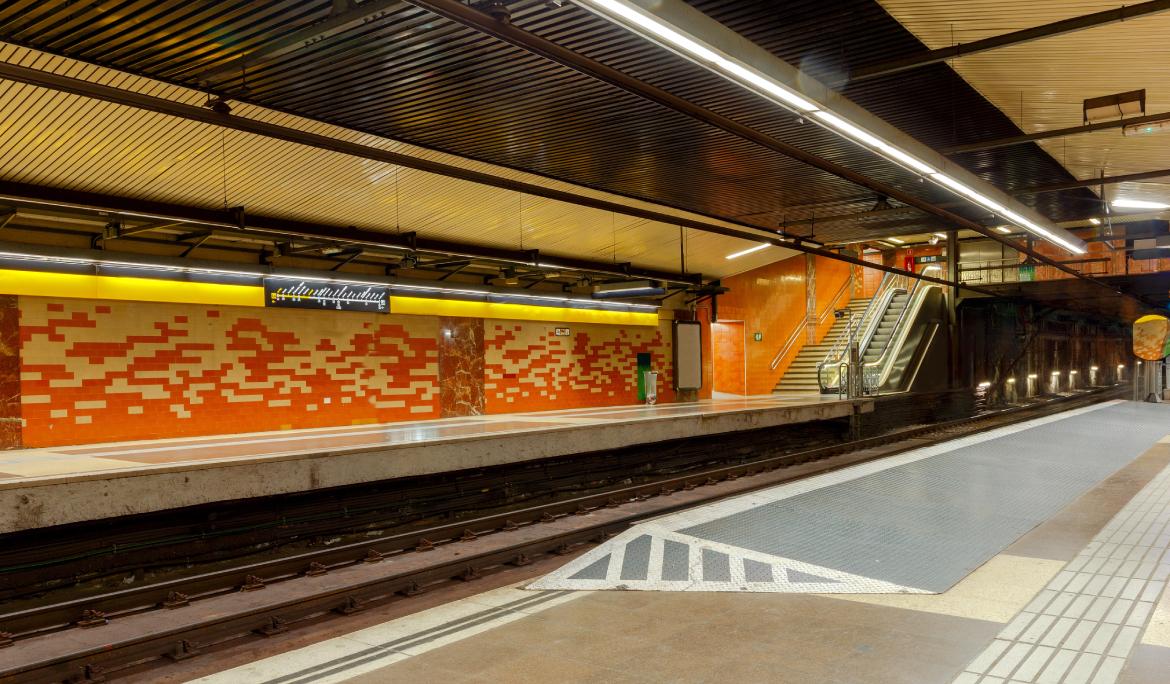
Selva de Mar (L4):
A poetic name recalling the old "selva" (jungle) of vegetation and orchards that separated the urban centers from the Poblenou coastline.
What you’ll find: Diagonal Mar Park and the Fòrum area.
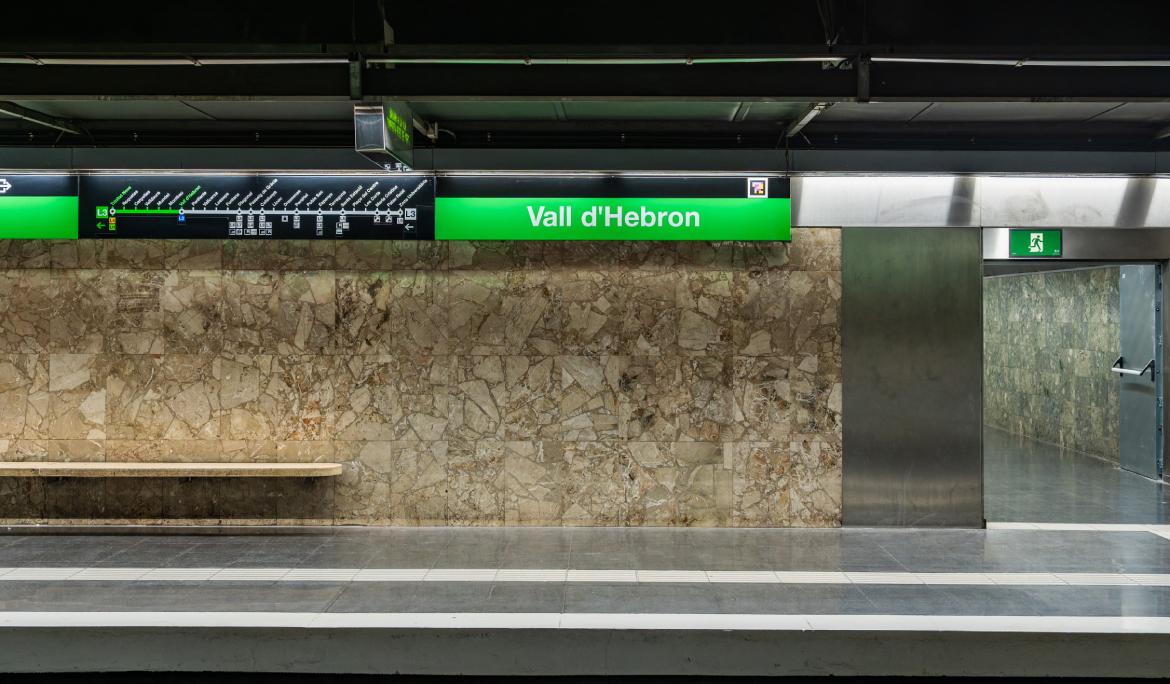
Vall d'Hebron (L3/L5):
Named after a monastery that disappeared in the 19th century. It compared the peace of this area of Collserola to the tranquility of the biblical valley of Hebron.
What you’ll find: The Pavilion of the Republic and a replica of Guernica!
Penitents (L3):
The name comes from groups of hermits who, in the 19th century, settled in nearby caves to live a life of sacrifice and "penitence."
What you’ll find: The quiet foothills of Collserola and unique views of the city.
Your Adventure Starts Underground
Choose your Hola Barcelona Travel Card (2 to 5 days) and enjoy the freedom to hop from stop to stop to discover Barcelona’s identity. Hola Barcelona takes you there!