Live musicians, mathematical precision, and community spirit: immerse yourself in the history of the sardana and experience it live at the Aplecs in Les Roquetes and Montserrat. Hola Barcelona takes you there!
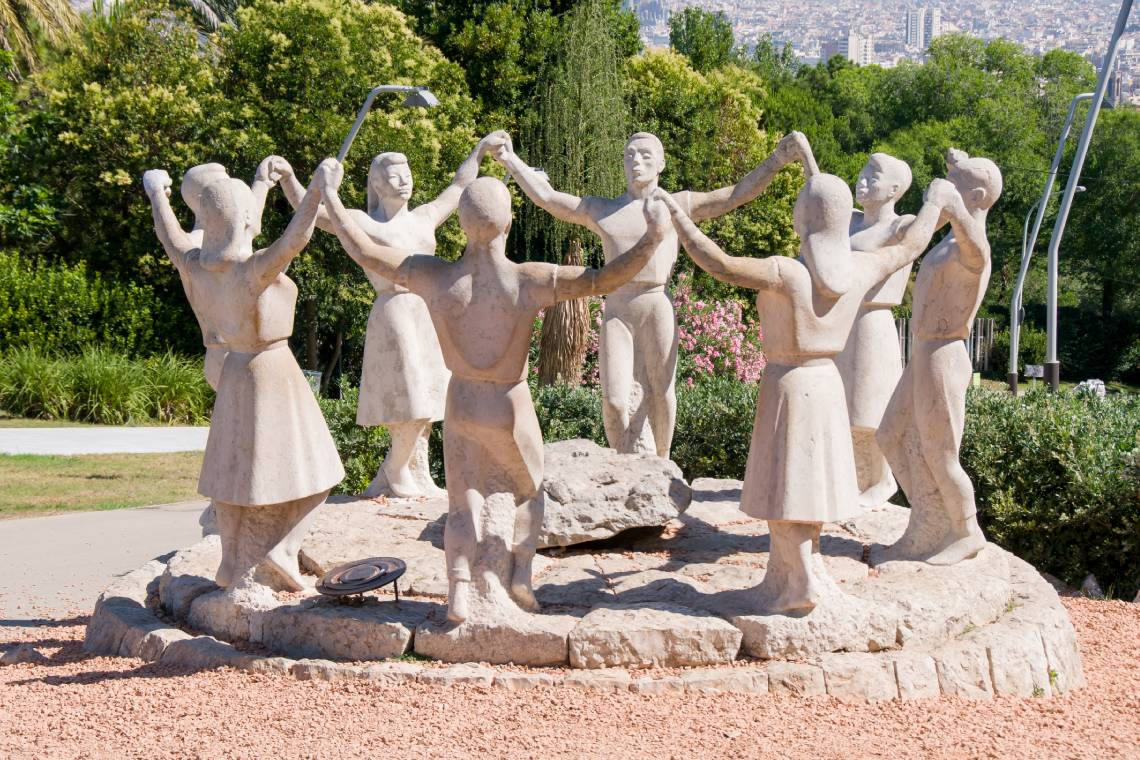
If you are looking to discover the authentic soul of Catalonia and move around the city effortlessly with your Hola Barcelona Travel Card, there is a living tradition that instantly surprises and fascinates anyone who discovers it for the first time: the Sardana. Far beyond the usual tourist routes, this collective dance holds a unique magnetism where live music, mathematical precision, and community spirit merge in the middle of the street.
Far from being a simple show to watch from afar, the sardana is a fully inclusive experience where there are no stages or labels. But what makes this National Dance of Catalonia so special? How is it danced, and where can you experience it live at the best autumn events? Discover all the secrets of this gem of Catalan folklore and get ready to join the circle!
What is the Sardana and What is Its History?
The sardana is the most emblematic traditional dance of Catalonia. It is danced in a group, forming a closed circle called a rotllana, where dancers hold hands facing inward. It is a cultural expression symbolizing brotherhood, equality, and unity, as anyone can join the circle at any moment.
The origin of circular dances in the Mediterranean dates back to antiquity, but the modern sardana as we know it today has its roots in the 19th century in the Empordà region. It was the musician and composer Pep Ventura who revolutionized the dance by structuring its rhythm and reforming the cobla (the traditional instrumental ensemble). During the 20th century, the sardana spread rapidly throughout Catalonia, becoming a symbol of cultural identity and peaceful resistance for popular traditions.
How is a Sardana Danced? The Secret of Math and Rhythm
The sardana may look like a gentle and slow movement, but for dancers, it is a thrilling exercise in concentration, listening, and synchronization.
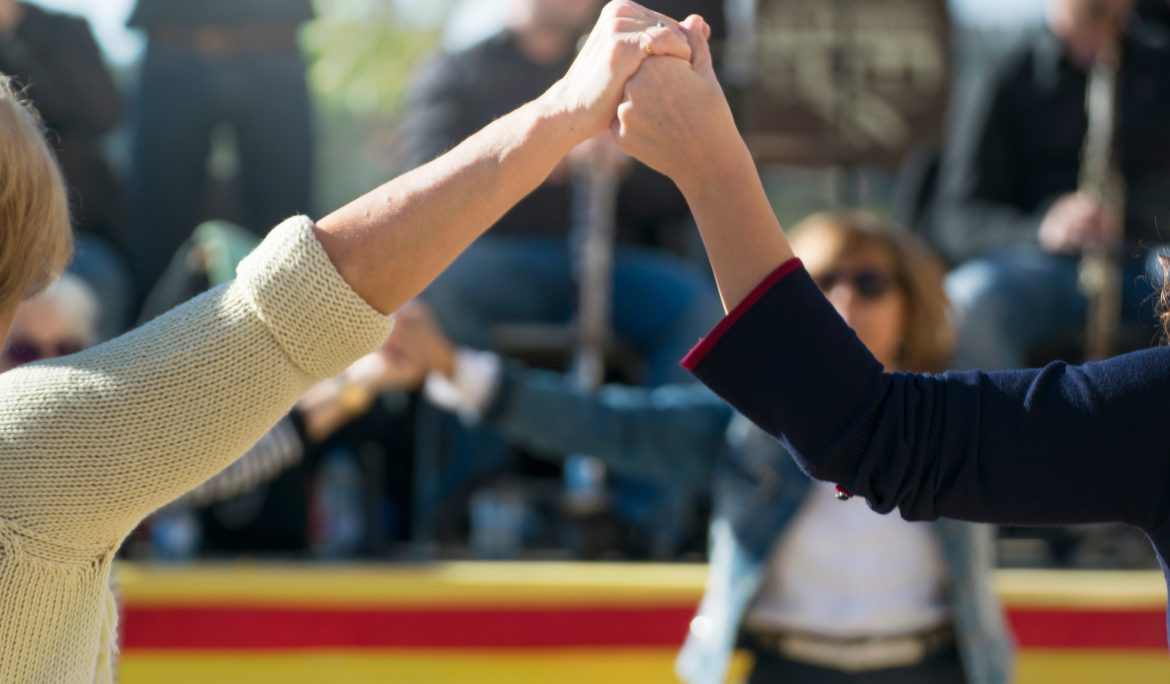
- Absolute Inclusion: There are no fixed couples. If you want to dance, you simply find an open spot in the circle, politely ask to join, and hold hands with the dancers next to you. A curious detail is that dancers leave their personal belongings (bags, backpacks, or coats) in the center of the circle while the songs last.
- Short Steps and Long Steps: The dance combines two types of movements. Short steps (passos curts) are danced with arms held down and a contained rhythm, while long steps (passos llargs) are performed with arms raised high and wider, more pronounced movements.
- Counting and Distributing: The fascinating quirk of the sardana is that dancers mentally count the musical notes and beats. They must calculate exactly how to distribute the steps so that the very last movement of the dance aligns down to the millimeter with the final note of the song.
- The Sound of the Cobla: The sardana is always danced to live music performed by the cobla, a unique 11-musician ensemble playing traditional wind instruments like the tenora, tible, flabiol, and small tamborí drum.
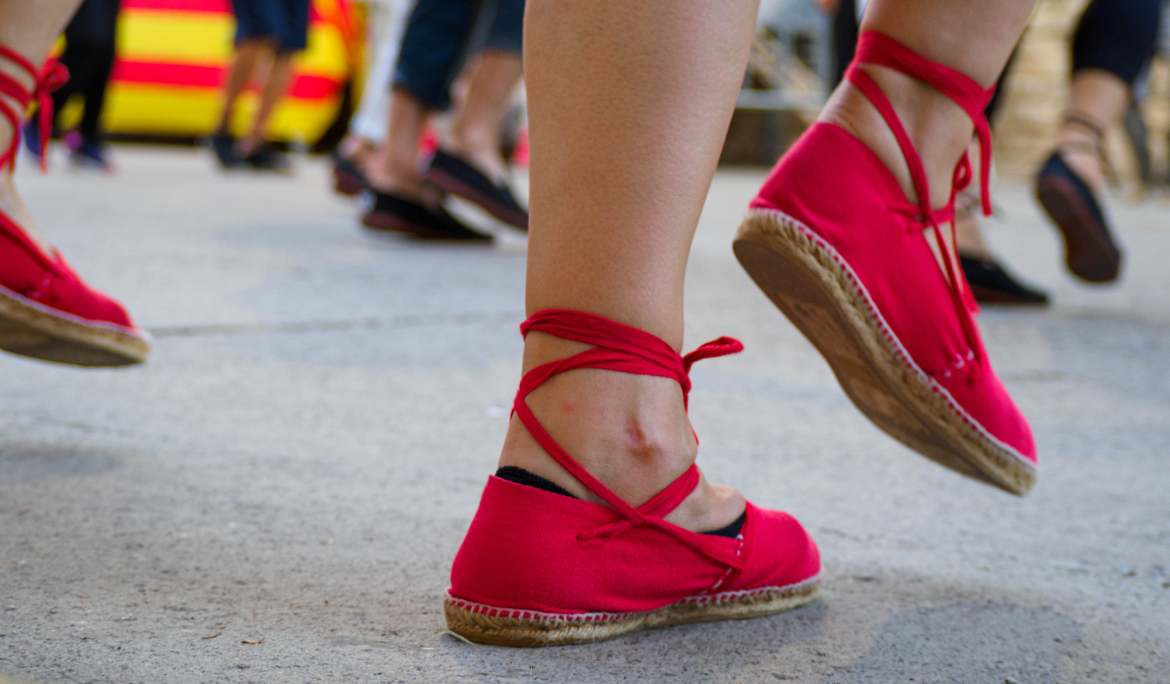
Where to Experience a Live Sardanista Aplec? Top Events
The best way to feel the power and emotion of this tradition is to attend a sardanista aplec—a large popular outdoor gathering that brings together hundreds of dancers and the finest cobla bands in the country. Take note of two major options for the season:
1. 57th Les Roquetes Sardanista Aplec (Barcelona)
Known as the Great Autumn Aplec of Barcelona, this is one of the most deeply rooted cultural gatherings in the Catalan capital. Organized by the historic Agrupació Sardanista l'Ideal de Clavé de les Roquetes, it takes place on Sunday, October 18, 2026, at Parc de la Guineueta (Nou Barris). It is a festive day of cultural celebration with morning (10:30 AM) and afternoon (4:00 PM) sessions, accompanied by three of the best coblas around: La Principal de la Bisbal, La Principal del Llobregat, and Sant Jordi - Ciutat de Barcelona. Admission is completely free and easily accessible with the Hola Barcelona Travel Card.
2. Sardanista Aplecs and Gatherings on Montserrat Mountain
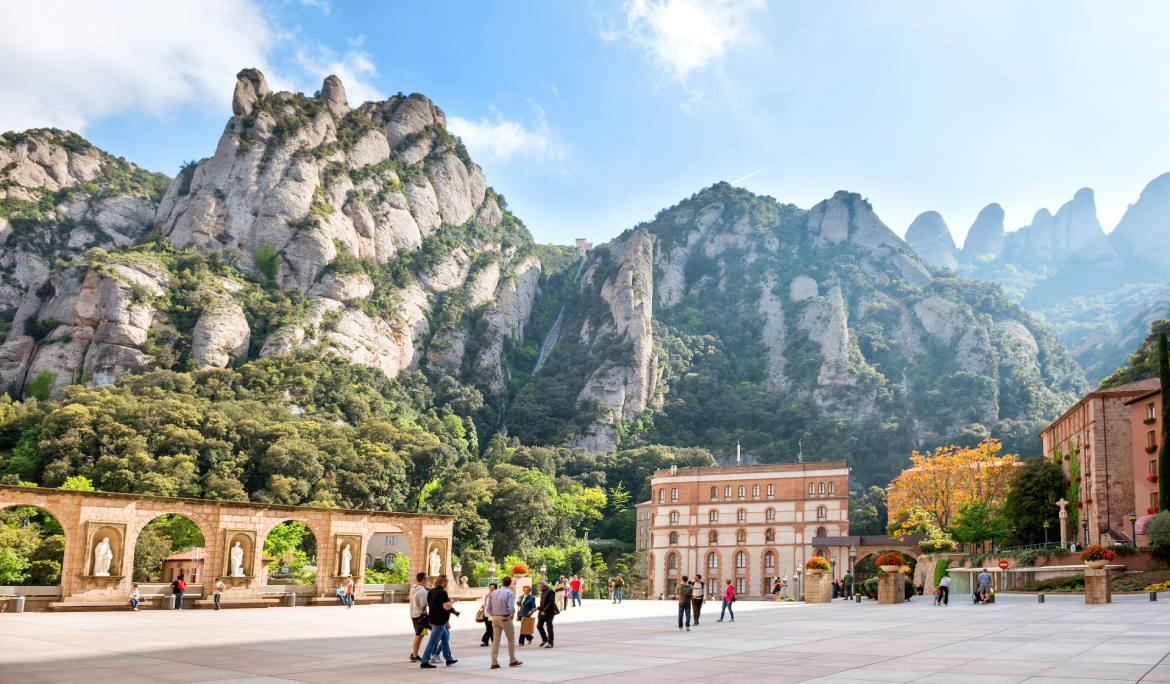
If you want to combine the magic of the dance with one of Catalonia's most spectacular and sacred landscapes, Montserrat Mountain regularly hosts sardanista gatherings and dances throughout the year. One of the most touching moments takes place in the Monastery Square, where dances usually follow the morning Conventual Mass and culminate in the traditional finale to the sound of the iconic sardana "És la Moreneta".
To enjoy trips to the sacred mountain without worrying about transport or planning, the best option is to ride with the Catalunya Bus Turístic to Montserrat. This premium bus service takes you directly from central Barcelona to the heart of the Monastery in total comfort, including official guides and combined ticket options with the rack railway. It is the perfect combination to discover Montserrat's natural, architectural, and cultural heritage in a single day!
The Sardana and Catalan Traditional Dances
Beyond the sardana, Catalonia's folklore features other rhythmic festive expressions, such as Balls de Bastons (stick dances), the Jota of Terres de l'Ebre, or the Ball de Gitanes. However, none of them reflects the open and brotherly spirit of Catalan culture as purely as the sardana.
Move limitlessly around the city with your Hola Barcelona Travel Card, head to the squares, and when you hear the vibrant sound of the tenora, step into the circle and let yourself be carried away by the heartbeat of the festival! Hola Barcelona takes you there!