Planning a multi-city trip across Europe from North America? Discover why Barcelona is an essential stop—featuring UNESCO architecture, urban beaches, and direct connections. Hola Barcelona takes you there!
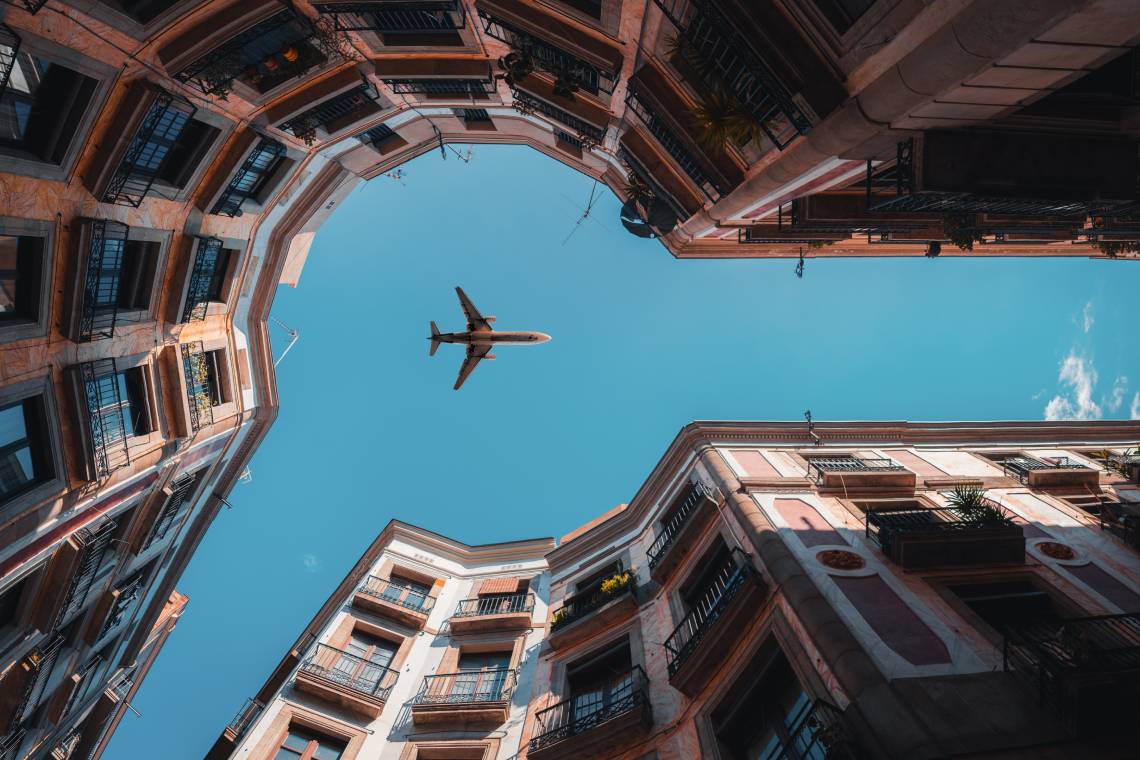
When a traveler from the United States or Canada plans a multi-city route across Europe, the usual itinerary tends to center on the classic triangle formed by London, Paris, and Rome. Yet, while these capitals offer undeniable monumental history, leaving Barcelona off the route means missing out on a completely different dimension of the continent.
Located on the northeastern coast of the Iberian Peninsula, Barcelona functions simultaneously as a strategic transport hub and a cultural breather. It offers an architectural identity unlike anywhere else in the world, a relaxed Mediterranean pace that helps combat museum fatigue, and direct transatlantic flights and high-speed rail links that let it fit effortlessly into a 10- to 14-day European trip. Plus, Barcelona boasts an integrated transport network allowing you to optimize your stay to the fullest (at the end of the article we'll explain how to get a discount).
An Architectural Identity Found Nowhere Else in Europe
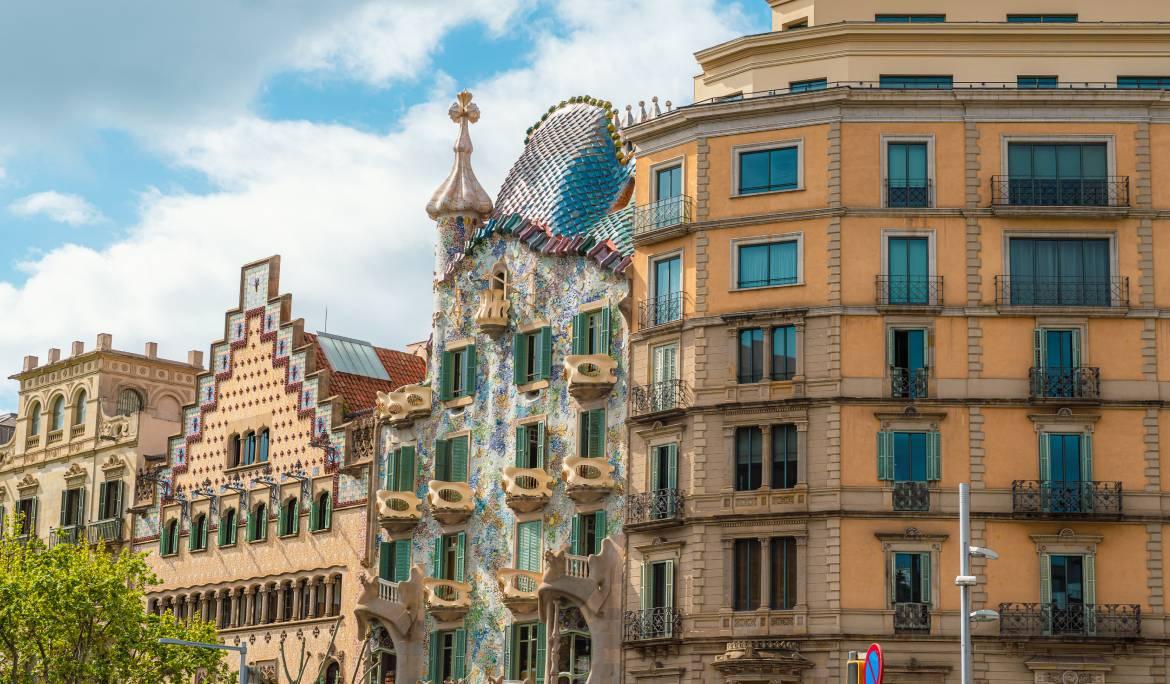
Most major European capitals share a similar visual DNA: Neoclassical boulevards, Gothic cathedrals, and imperial palaces. Barcelona breaks this mold entirely thanks to Catalan Art Nouveau (Modernisme), an artistic and architectural movement that transformed the city into an open-air gallery between the late 19th and early 20th centuries.
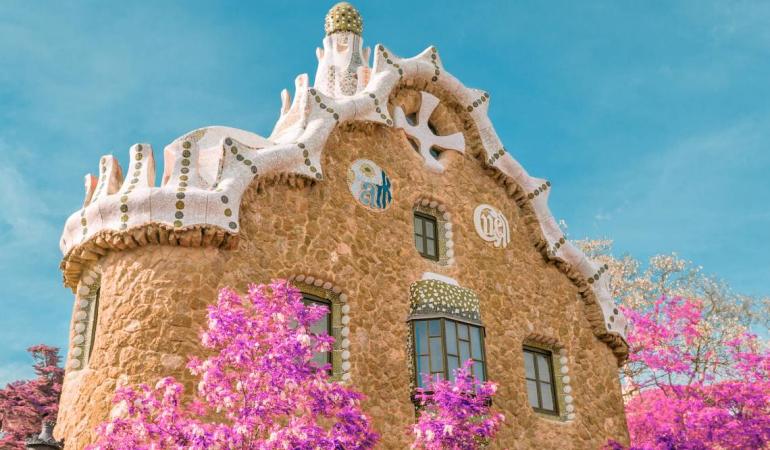
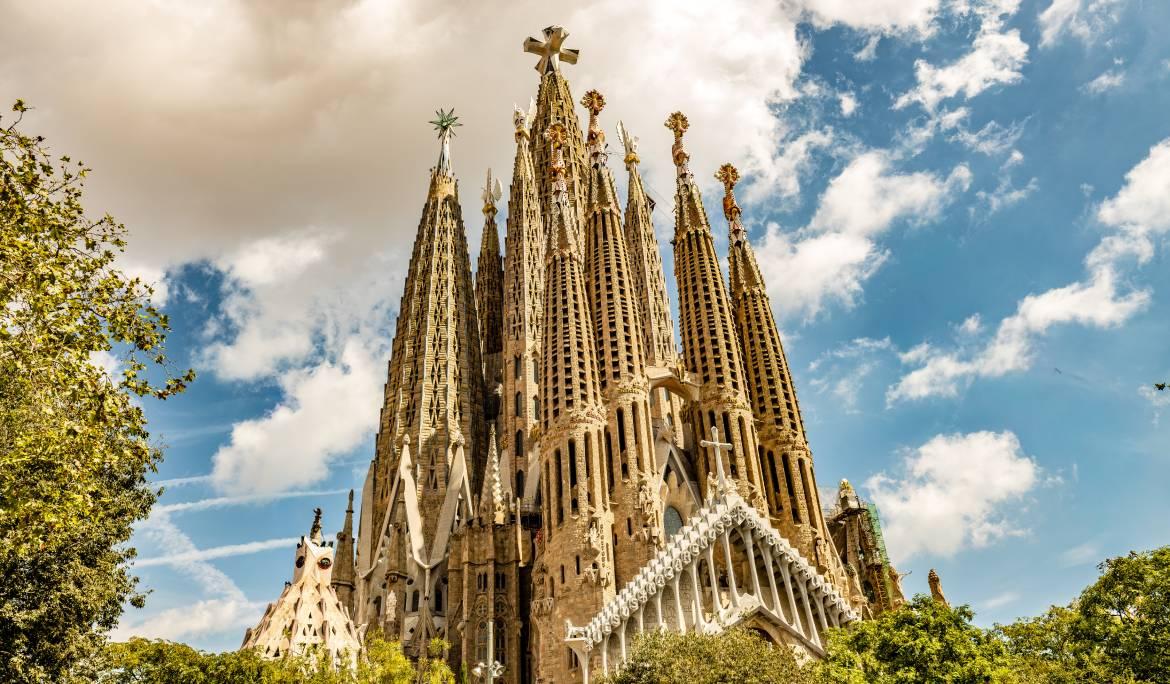
Barcelona boasts nine UNESCO World Heritage Sites, seven of which are works by Antoni Gaudí. Unlike traditional European monuments—where the experience unfolds inside closed halls behind velvet ropes—masterpieces like the Sagrada Família, the Sant Pau Art Nouveau Site, or Casa Batlló invite visitors to experience organic shapes inspired by nature, colorful trencadís mosaics, and surreal open-air rooftops. Alongside Lluís Domènech i Montaner's Palau de la Música Catalana, these monuments provide a visual contrast that simply doesn't exist in Paris, London, or Amsterdam.
Direct Transatlantic Connections and High-Speed Rail
For North American travelers working with a limited number of vacation days, logistics set the pace of the trip. Barcelona is built for efficiency, making it an ideal entry point, a perfect city to wrap up a journey, or a strategic bridge between destinations.
Direct Transatlantic Flights:
Josep Tarradellas Barcelona-El Prat Airport (BCN) operates year-round and seasonal direct flights from major North American hubs, including New York (JFK/EWR), Miami, Chicago, Los Angeles, San Francisco, Boston, Washington D.C., Atlanta, Toronto, and Montreal.
High-Speed Rail Across Spain and France:
Skipping the lines and security hassles of short-haul flights is simple thanks to the high-speed rail network at Barcelona-Sants station. You can reach Madrid in just 3 hours (via AVE, Iryo, or Ouigo) or take a direct TGV high-speed train to Paris in around 6 hours and 30 minutes, cutting right through the south of France.
Leading Mediterranean Cruise Port:
As Europe's premier cruise port, Barcelona serves as the natural embarkation or disembarkation point for travelers pairing a land route with a Mediterranean voyage.
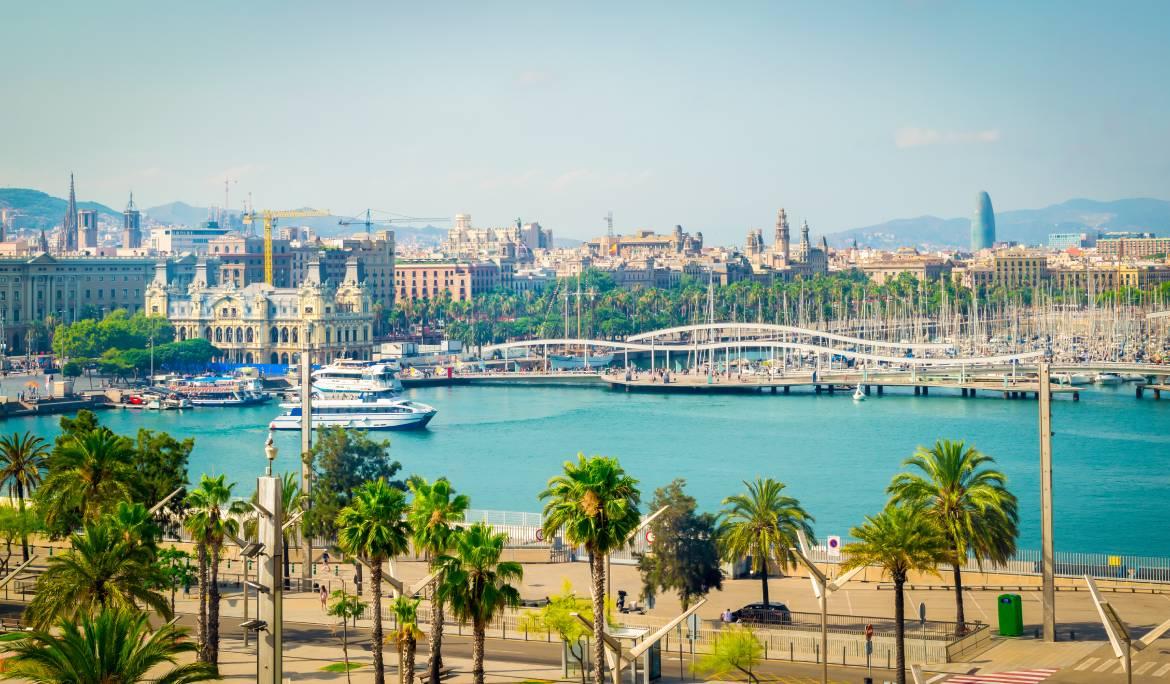
Two Vacations in One: Urban Culture and Mediterranean Beach
Few metropolises in the world let you explore a Roman and Gothic quarter with over 2,000 years of history in the morning and unwind beside the sea in the afternoon without leaving the city.
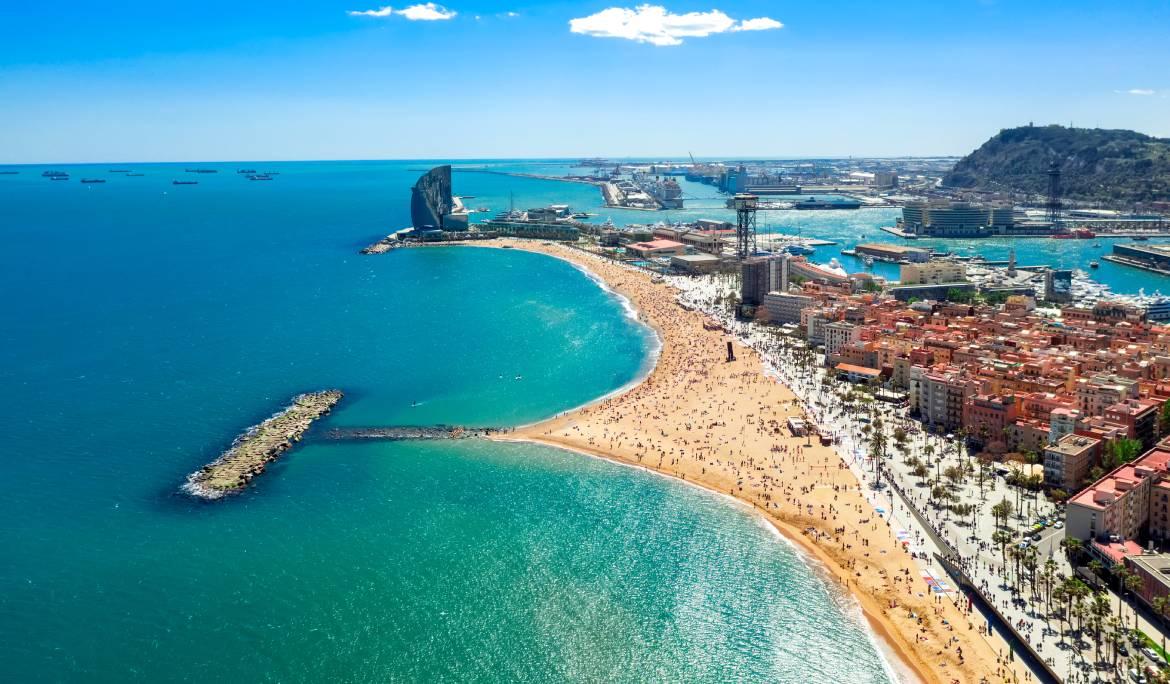
Barcelona features nearly 4.5 kilometers (2.8 miles) of urban beaches stretching from Barceloneta to Diagonal Mar, all directly connected to the city center by metro. Even outside peak summer months, the city enjoys over 300 days of sunshine a year and mild winters, keeping outdoor terrace culture, seaside promenades, and coastal dining thriving year-round. For those arriving from packed itineraries across northern Europe, Barcelona offers an immediate change of pace.
Language, Distinct Culture, and World-Renowned Gastronomy
Understanding Barcelona means knowing it is the capital of Catalonia, a region with its own language (Catalan, coexisting alongside Spanish), deeply rooted traditions, and internationally acclaimed gastronomy.
Far removed from the formal, multi-hour sit-down meals of other capitals, Barcelona's culinary scene stands out for its dynamism. Travelers can sample fresh produce and seafood at historic municipal markets like La Boqueria or Mercat de Sant Antoni, share small plates and tapas on charming neighborhood squares in Gràcia or El Born, or indulge in avant-garde fine dining in a city boasting dozens of Michelin stars.
Practical Tips for North American Travelers in Barcelona
To ensure your stay runs smoothly, keep these local recommendations in mind:
- Book tickets weeks in advance: Tickets for the Sagrada Família, Park Güell, or Casa Batlló sell out days or even weeks ahead, especially between April and October. Reserving your time slot online before flying is essential.
- Adapt to local meal times: Lunch is typically served between 1:30 PM and 3:30 PM, and dinner rarely starts before 8:30 PM or 9:00 PM. Enjoying a midday vermut (vermouth and snacks) or an afternoon bite helps bridge the time difference.
- Tipping etiquette: Service is already included on restaurant bills. Leaving a 15–20% tip is not customary. In Barcelona, tipping is not mandatory, though rounding up the bill is always appreciated as a polite gesture.
How to Make the Most of a 48- or 72-Hour Stopover with Hola Barcelona
When you only have two or three days in a city before catching your next train or flight, wasting time deciphering fare zones or buying single tickets eats into sightseeing hours.
Barcelona's integrated public transport network—comprising the Metro, TMB city buses, Tram, Ferrocarrils de la Generalitat (FGC), and Rodalies de Catalunya commuter trains—is modern, punctual, air-conditioned, and connects every major point of interest.
With the Hola Barcelona Travel Card, you enjoy unlimited journeys for 24, 48, 72, 96, or 120 consecutive hours across the entire metropolitan Zone 1 network. Furthermore, for international arrivals, it includes the L9 South metro line to and from Barcelona-El Prat Airport (Terminals T1 and T2), getting you into the city center in around 30 minutes without paying airport surcharges or waiting in taxi queues.
Get your Hola Barcelona Travel Card online with a 10% discount, validate it at the very first metro station upon landing, and explore Barcelona effortlessly from minute one. Hola Barcelona takes you there!