Did you know that L1 used to be black, or that L11 is a blend of colours? Discover the secrets and fascinating facts hidden in the Barcelona metro map. Hola Barcelona takes you there!
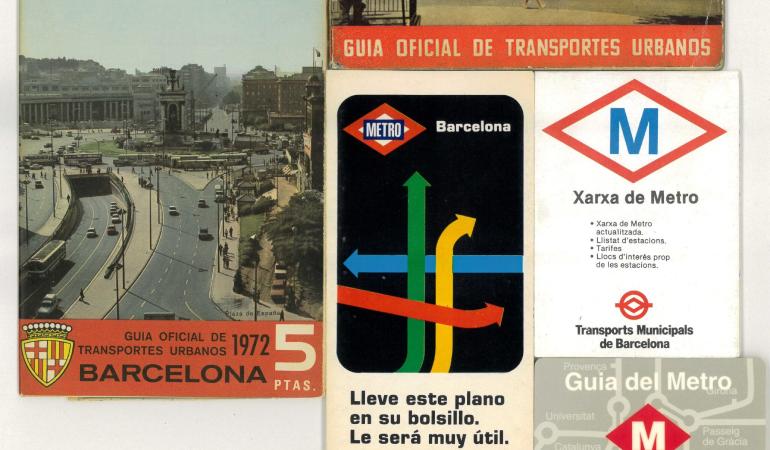
We use the metro every day, but hardly anyone stops to wonder why it looks the way it does. Why is L1 red rather than blue? Why is L2 purple? And why does the map look nothing like the city’s actual geography?
The Barcelona metro map is full of fascinating secrets, unexpected decisions and adaptations of revolutionary ideas. Here are the 6 most surprising facts about its colours!
1. In the beginning, the metro had neither numbers nor colours!
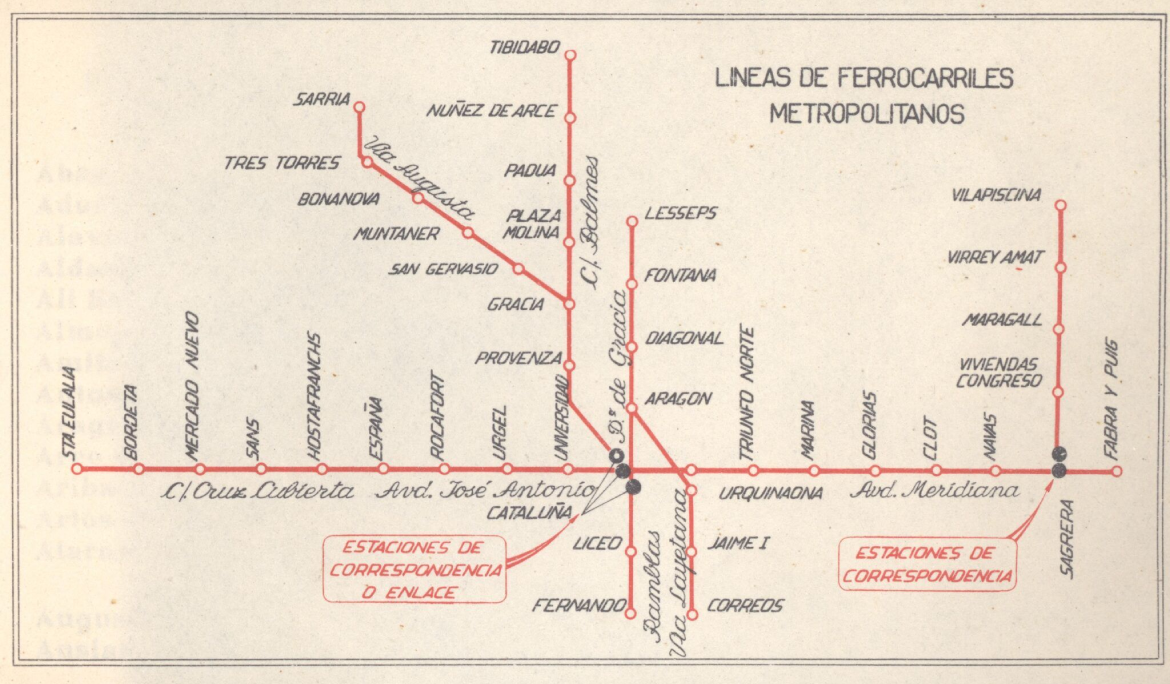
Did you know that, in its early years, it was impossible to say “take the red line”? At the beginning of the 20th century, the metro was operated by several competing private companies, such as Gran Metropolitano and Transversal. Each company had its own separate map, and it was not until the network was municipalised that the first visual codes appeared.
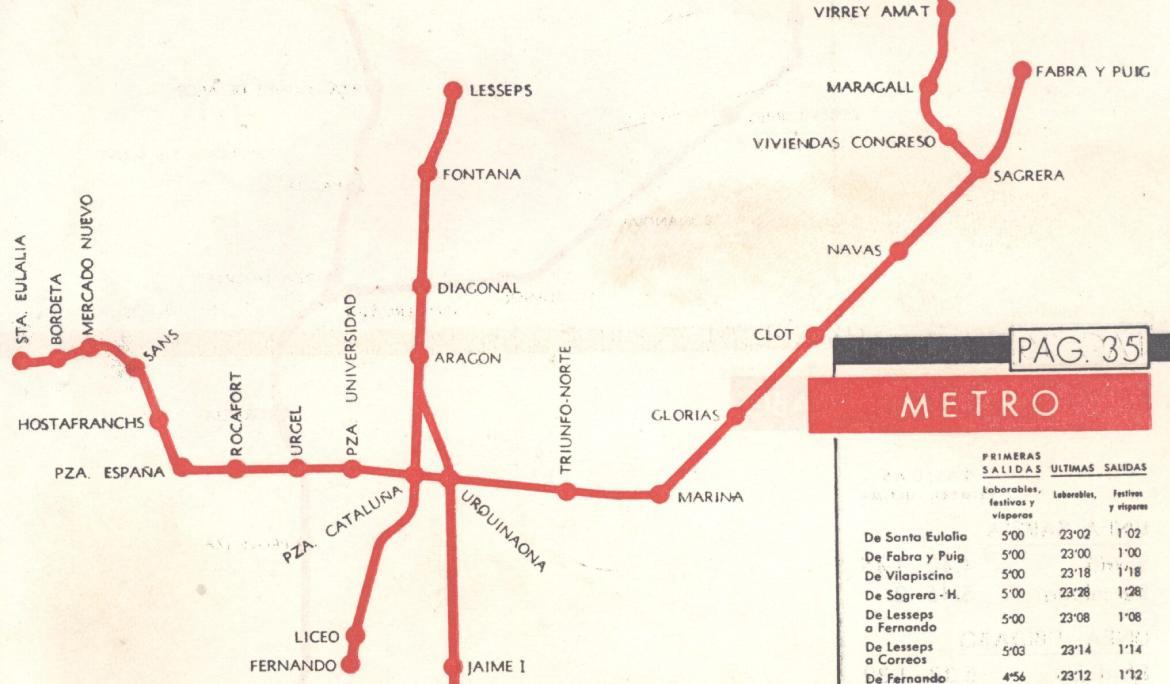
2. Line 1 was... black!
It may seem hard to believe, but on the first official colour map, published in 1966, L1 was completely black. In 1975, the decision was made to eliminate this colour: it was not very striking on paper, while the station elements painted black made the surroundings feel darker and gloomier. That was when bright red took its place.
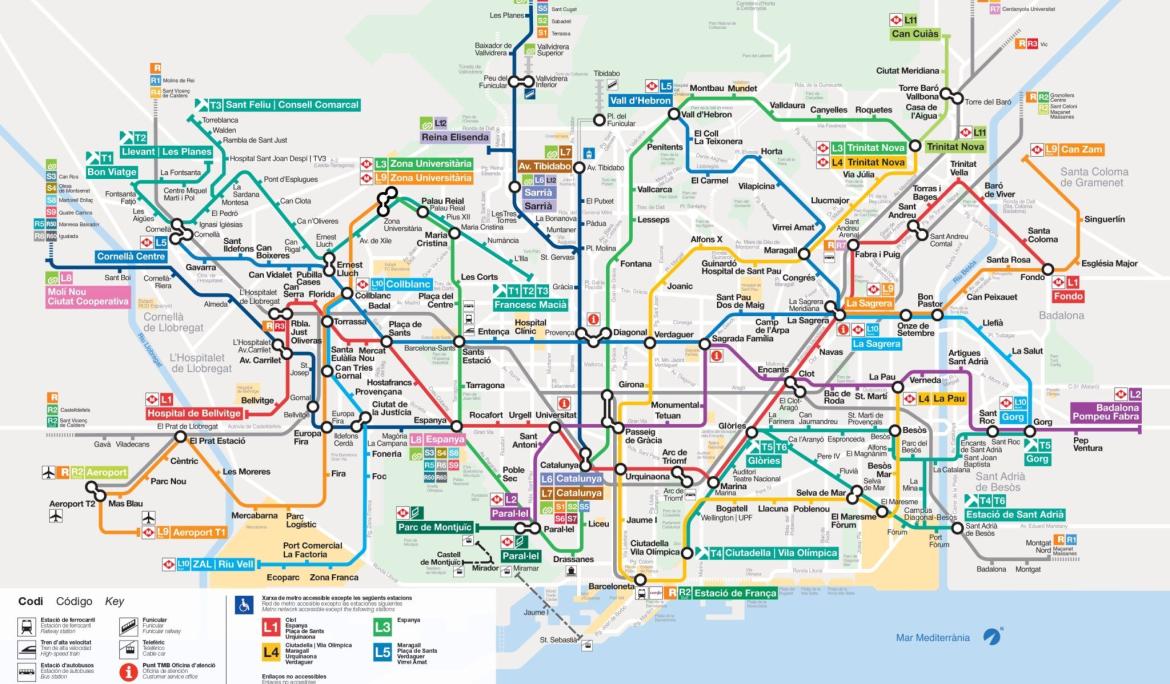
3. The mysterious colour “swap” between L2 and L5
In the first drafts from the 1970s, line 5 was supposed to be orange and line 2 blue. However, a series of technical problems and complex construction work around the Sagrada Família changed the construction plans and led the two lines to swap colours permanently.
4. Why is line 2 purple?
When L2 reopened and was modernised in the mid-1990s, the original orange was discarded in favour of a colour that had never been used on the network before: purple. The aim? To avoid visual confusion with the red of L1 and give the line a more modern identity.
5. Line 11: the result of mixing two colours
Did you know that L11’s colour has an almost magical explanation? This line starts at Trinitat Nova station, where it connects directly with L3 (green) and L4 (yellow). The designers therefore chose lime green for it. Quite literally, it is a blend of the colours of the two lines it connects with!
6. The British genius who changed the map forever (and when his system reached Barcelona)
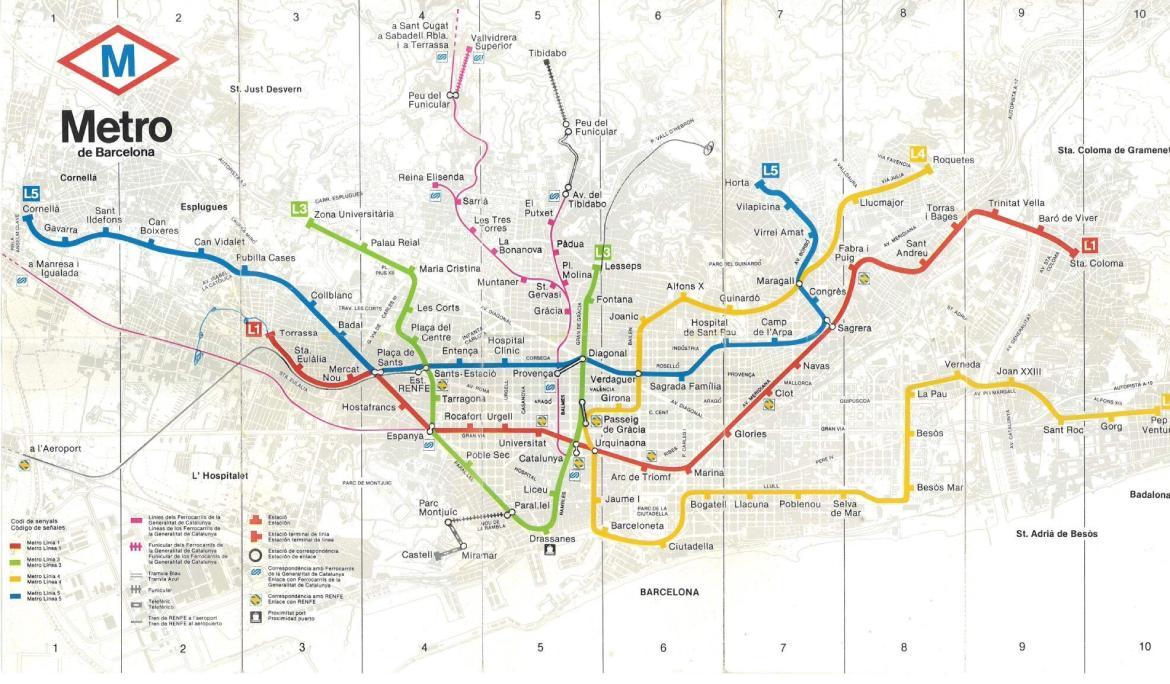
Have you noticed that the map does not reproduce the actual curves of the streets? We have Harry Beck, an English engineer, to thank for this. In 1931, he understood a fundamental truth: underground, what matters is not the surface geography, but knowing where to get on, where to get off and where to change lines. He did away with the real map and drew only straight lines and 45-degree diagonals.
Barcelona adopted this system in 1980, establishing the four main lines of the time using primary colours: red (L1), green (L3), yellow (L4) and dark blue (L5).
Rediscover the city by following the Barcelona metro lines
Now that you know the secrets of the underground network, where will your next stop be? With the Hola Barcelona Travel Card you can travel from one end of the city to the other quickly and comfortably. Enjoy unlimited travel for 24, 48, 72, 96 or 120 consecutive hours across the entire network of metro, buses (TMB), trams, FGC and Rodalies in Zone 1, including the airport journey and BusNit.
Make it easy: buy your Hola Barcelona Travel Card online with a 10% discount and get around Barcelona like a true expert. Hola Barcelona takes you there!